

Waxing is a popular hair removal method that has been practiced for centuries. It's an effective way to achieve smooth and hair-free skin, and it's widely favored for its long-lasting results. In this blog post, we will delve into the world of waxing, exploring what it is, how it works, and the various types of waxing techniques available. Whether you're a waxing enthusiast or a newbie looking to learn more, this guide will provide you with all the essential information you need.
What is Waxing?
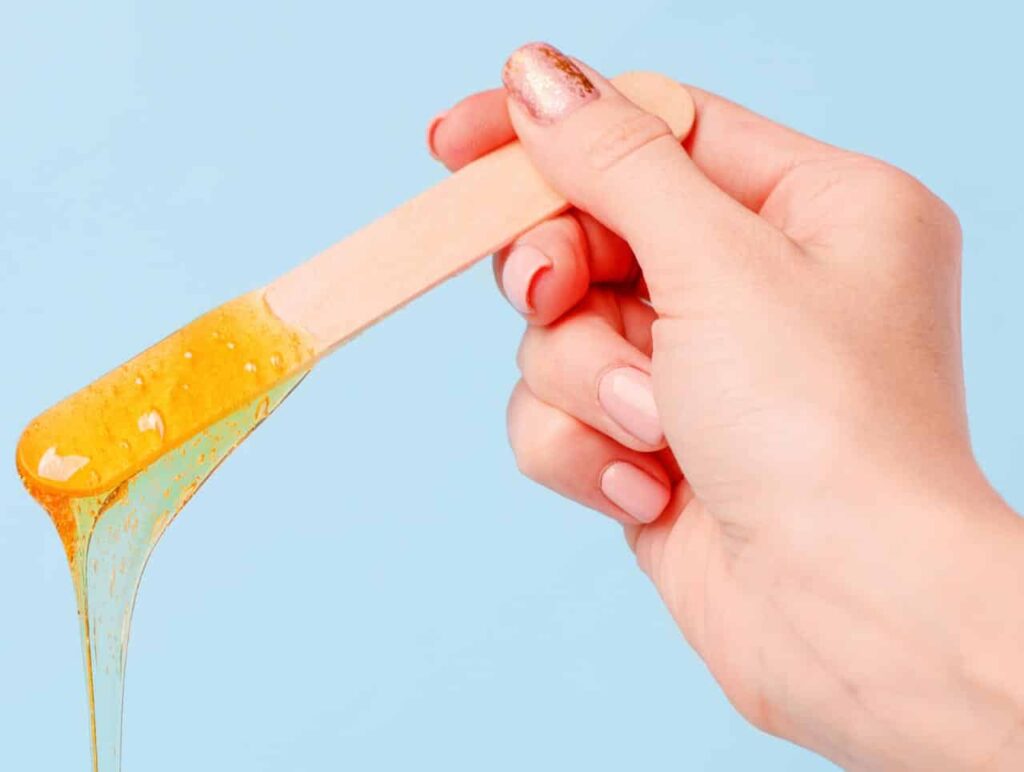
Waxing is a hair removal technique that involves the application of wax to the skin and then swiftly removing it, along with the unwanted hair. This process leaves the skin smooth and hair-free. Waxing can be performed on various parts of the body, including the legs, arms, face, and even sensitive areas like the bikini line.
How Does Waxing Work?
Waxing works by adhering to the hair and pulling it out from the root. The wax is applied in the direction of hair growth and then removed quickly in the opposite direction, taking the hair along with it. This method ensures that the hair is removed from the root, which leads to longer-lasting results compared to shaving or using depilatory creams.
Types of Waxing:
- Hot Wax:
- Hot wax is a type of wax that is heated before application. It is spread onto the skin and allowed to cool and harden. Once it hardens, it is pulled off, removing the hair. Hot wax is ideal for removing coarse hair and is commonly used on smaller, more sensitive areas.
- Cold Wax:
- Cold wax comes in pre-made strips that can be applied directly to the skin. It is a convenient option for at-home use. The strip is pressed onto the area, then quickly pulled to remove the hair.
- Sugaring:
- Sugaring is a natural and less painful alternative to traditional waxing. It involves using a paste made from sugar, lemon juice, and water. The paste is applied to the skin and removed with a quick flick, similar to traditional waxing.
Benefits of Waxing:
- Long-lasting results: Waxing can keep your skin hair-free for several weeks.
- Smoother skin: Waxing exfoliates the skin, leaving it soft and smooth.
- Slower regrowth: With repeated waxing, hair often grows back finer and less noticeable.
- Precision: Waxing can target specific areas and remove hair from the root.
Aftercare and Maintenance:
Proper aftercare is essential to ensure the best results and minimize potential side effects. After waxing, it's common for the skin to be slightly red or irritated, but this usually subsides within a few hours. To help soothe your skin and maintain its health, consider the following post-waxing care tips:
- Avoid Sun Exposure: After waxing, your skin may be more sensitive to UV rays. It's crucial to protect your skin by staying out of direct sunlight and using sunscreen.
- Exfoliation: Gently exfoliate the waxed area a couple of times a week to prevent ingrown hairs. Exfoliation helps remove dead skin cells and ensures that new hair can grow freely.
- Moisturize: Hydrate your skin regularly with a gentle, fragrance-free moisturizer to maintain its smoothness.
- Avoid Hot Baths: Steer clear of hot baths or saunas for at least 24 hours after waxing, as they can irritate your skin.
- Loose Clothing: Wear loose-fitting clothing for a day or two after waxing to prevent friction and irritation.
- Stay Hydrated: Drinking plenty of water can help your skin recover more quickly.
Remember that the frequency of waxing depends on individual hair growth, but most people find that waxing every 4-6 weeks helps maintain smooth, hair-free skin. Proper care and maintenance will ensure that you continue to enjoy the benefits of waxing over the long term. So, embrace the world of waxing and say hello to beautifully smooth skin!
Conclusion:
Waxing is a popular and effective method for achieving smooth, hair-free skin. Whether you choose hot wax, cold wax, or sugaring, the choice is yours, and the results are sure to leave you satisfied. So, say goodbye to your razor and discover the world of waxing for long-lasting, silky-smooth skin.
If you're interested in more tips, techniques, or want to know how to prepare for a successful waxing session, stay tuned for our upcoming posts on this hair removal method.